From the first question to handover.
Bring us a task. In our first conversation, we’ll work out what needs to change.
Three ways to start
Choose where to begin based on what you already know.
One day. Clear priorities.
One workshop and a short report for €2,900 excluding VAT, including travel. We credit the full fee toward any follow-up pilot.
Explore the assessment ›
Four steps from task to decision
1. Listen
We discuss how the work happens today, who’s involved and what should change. Two to five real examples and a list of the systems you use help us get started.
You get a shared description of the task and the open questions.
2. Set the scope
You might start with training, an opportunity assessment or a focused pilot. We agree on the goal, what’s in and out of scope, what we need from your team and how we’ll measure success. The price and timeline apply to that scope.
You get a clear brief with points for making decisions.
3. Build
We choose the simplest solution that works. That could mean rules, an automated workflow, a language model or an agent where the task calls for one. We test it on real cases, including difficult and incomplete ones. Your team can return to its existing workflow if needed.
You get a pilot within the agreed scope or a trained team.
4. Review and hand over
We compare the results with your existing process using criteria we agreed on up front. Handover covers documentation, tests, monitoring and clear ownership. The evidence may support expanding, adjusting or stopping.
You get an evidence-based decision about the next step.
Who owns what
We handle analysis, architecture, implementation, testing and handover within the agreed scope. Your business team knows the process, supplies real cases and signs off on results. Your IT team owns systems, access and operations. Your leadership team sets goals, budget and priorities. One person can fill several roles. Your organization remains accountable for the outcome.
What to bring
A short description of the task or AI question.
One or two examples you’re able to share.
The roles and systems involved.
What you’ve already tried.
Bring what you know. We’ll work through the rest on the call. If you’d like to see where your company stands beforehand, take the three-minute self-check.
What we can test and measure
We make assumptions and limits explicit. AI can make mistakes. Compliance requires its own review. Any ROI estimate depends on your process and the evidence. For legal advice, certification or penetration testing, work with a specialist. If the prerequisites are missing, we’ll suggest a smaller scope or recommend stopping.
The approach in practice
At Carano, we started by training 70 employees. A support chatbot and a data privacy strategy followed, including an evaluation of local and EU-hosted models.
For Silver Investment Partners, we built a platform for confidential deal documents. It cites sources and scores targets against the firm’s own criteria, with partners making the final call.
What our work looks like
An invoice workflow with every step visible.
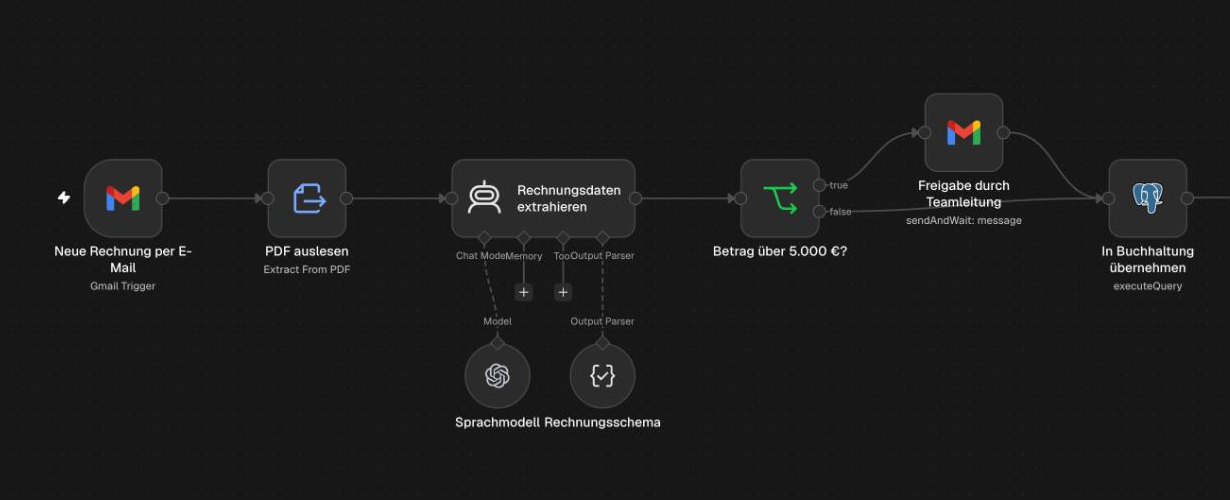
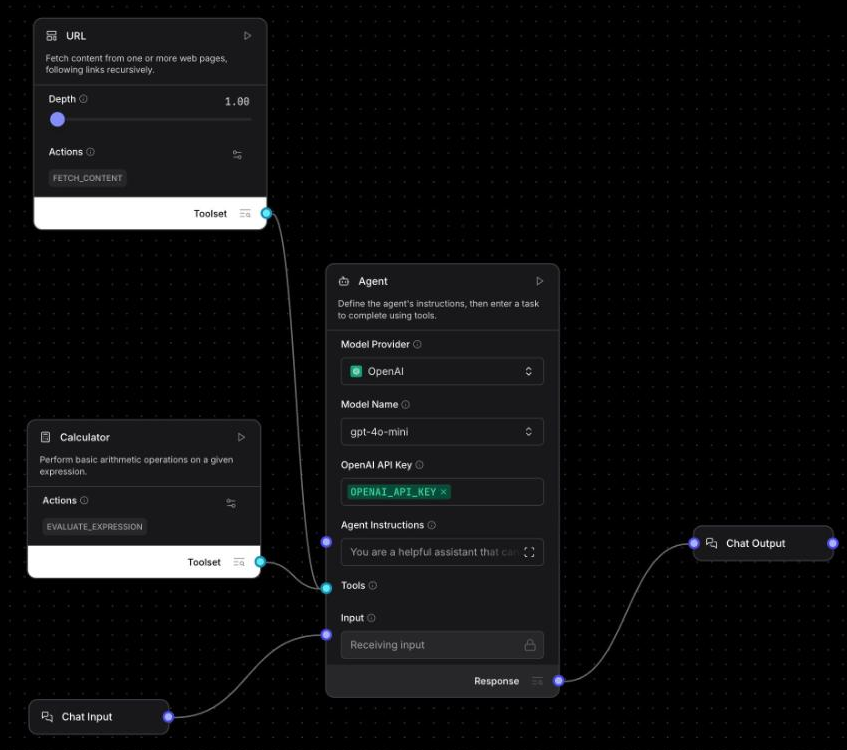
n8n · Incoming invoices An agent with defined tools and a workflow you can follow.
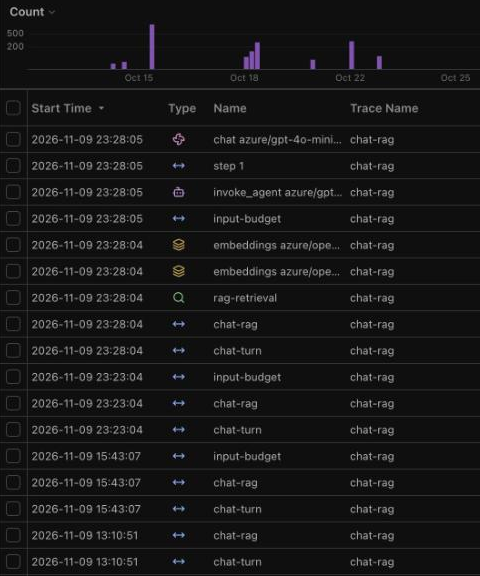
Langflow · Agent with tools Monitored in operation, with every call logged.
Langfuse · Traces Local AI for data that needs to stay on your own infrastructure.
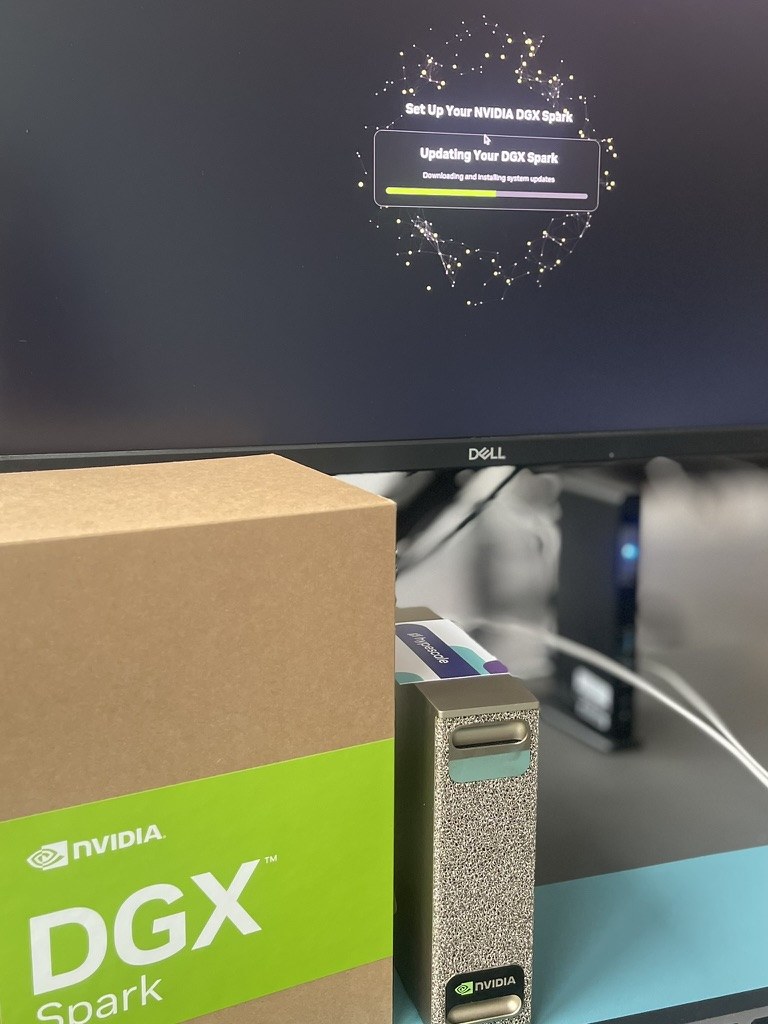
Training built around the tasks your team does.
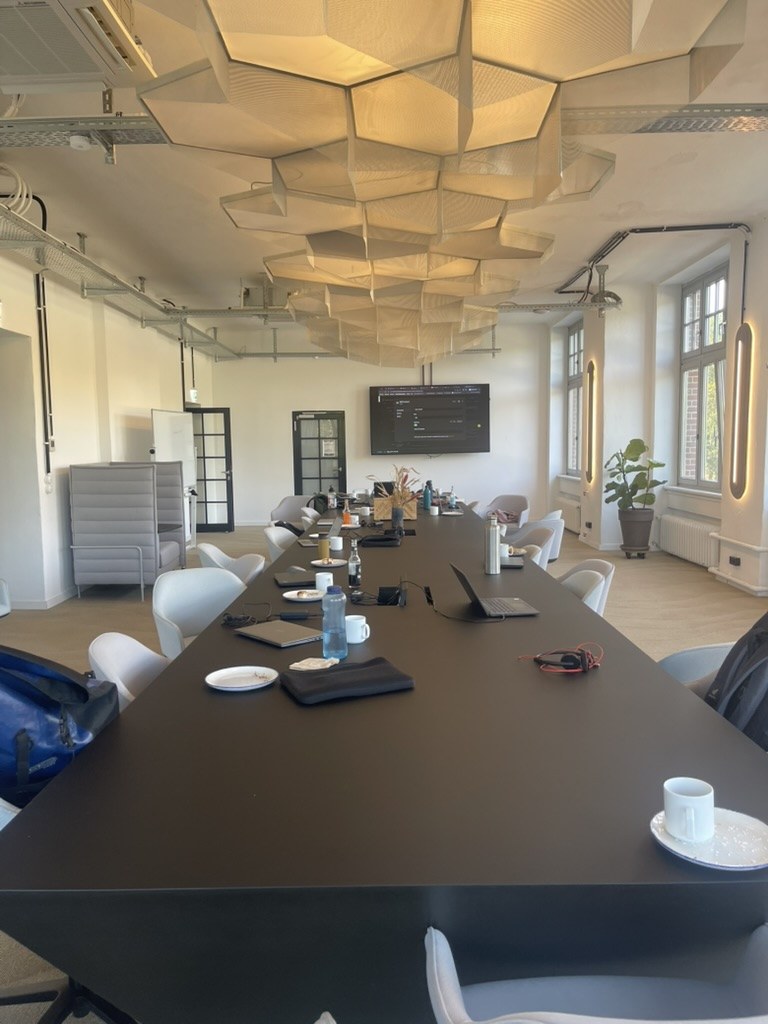
Questions about how we work
What’s the next decision you need to make?
Bring the process, a few examples and the most important open decision.